

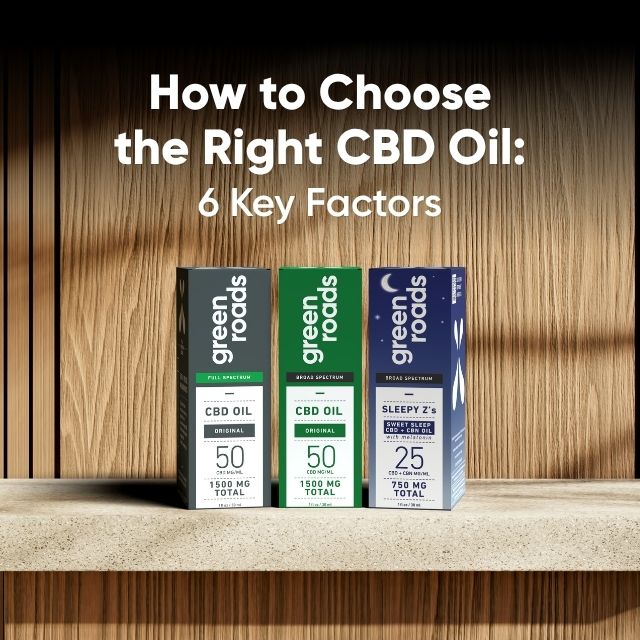
Choosing the “right” CBD oil can feel confusing and overwhelming. While some labels claim “full spectrum” or isolate, dosage guides and lab test results may disagree. This lack of distinction can potentially cause an upset in consumers, worrying them about side effects or possibly failing a workplace drug screening.
Follow along for six practical CBD oil factors to consider and guidance on tincture formats, how to size a dose, common side effects to watch for, and how to make sure your chosen CBD oil product delivers real benefits.
What you need to know
- Choose spectrum: Selecting the proper spectrum for your lifestyle needs is a crucial step to follow while shopping. There are clear distinctions between full-, broad-spectrum, and isolate CBD oils as this sets the expectation for THC exposure, potential compound interactions, and workplace testing risk.
- Understand extraction: Having insight into different extraction methods and formulations helps consumers see how they can impact cannabinoid preservation and risk of contamination.
- Verify Lab Tests: By scanning the QR code available on the product label or reading the available certificate of analysis, users can confirm cannabinoid levels and zero trace of contaminants before purchasing.
- Find Your Ideal Dose: Start with a small amount of CBD oil and increase your intake slowly and over time. Pick dosing ranges that match your sleep, anxiety, or discomfort reduction goals
- Read up on Side Effects: Learn common side effects and possible drug interactions. Choose THC-free options if workplace testing is a concern.
- Pick a trusted brand: Choose brands like Green Roads with clear sourcing, transparent testing, and reliable customer support.
-
Choose Your Spectrum: Full-Spectrum, Broad-Spectrum, or Isolate
When beginning your CBD oil selection journey, choosing the right spectrum type for you should come first. This sets the parameters for THC amounts, testing risk, and whether other plant compounds will contribute to the CBD oil experience. Your choice changes how you should approach proper dosing and safety.
Full-spectrum CBD oil products include the full range of cannabinoids and terpenes available in the hemp plant, Broad-spectrum contains a broad range of cannabinoids and terpenes but removes THC, and isolate is pure, 100% CBD oil without any other plant compounds.
The entourage effect refers to how cannabinoids and terpenes work together to modify or sometimes amplify each other's effects. Full-spectrum CBD oil products may bring on stronger euphoric effects at lower CBD doses for certain uses, although results differ. Because side effects are often dose, spectrum and potency related, start low and keep a log of your mind and body responses when trying different spectrums.
Match the different spectrums to your wellness and lifestyle priorities. Full spectrum can be a great tool for potential pain and sleep support when trace amounts of THC is acceptable, broad spectrum offers the benefits of multiple hemp compounds without THC for people concerned about testing, and isolates fit strict workplace rules or known sensitivities to THC.
-
CBD Oil Extraction: How Oils Are Made and Why It Matters
The methods used to extract CBD oil have an effect on overall product potency, terpene levels and contamination risks, so this distinction changes how the product functions. Having a grasp on the commonly used methods may be able to help you choose the right product for you.
One common method is known as CO₂ extraction, which uses pressurized carbon dioxide to remove the right compounds from the plant without any added solvents. Another popular extraction process is known as ethanol extraction, which is known for its efficiency. While this is a quicker operation, it may also pull additional plant materials that are sometimes refined out later.
After extracting the CBD oil from the hemp plant, there may be some extra steps before the product is shelf ready, depending on the method used. These can include filtering out any waxes and fats, using heat, or further tweaking to focus on the availability of specific cannabinoid blends. Some products, such as full spectrum oils, are processed less to keep more of the plant’s original compounds, while isolate products are refined to consist of 100% CBD.
For consumption and viscosity purposes, CBD oils can be blended with carrier oils, contributing to pleasant texture and taste. Be sure to pay attention to the ingredient list and product details which can help you better understand what you’re getting.
-
Read the COA:
A product’s certificate of analysis, or COA, is the most straightforward way to make sure your CBD oil is safe and high quality. By quickly checking the COA, consumers will immediately be able to tell whether the numbers on the bottle match up with the independent lab results. These stats also prove whether contaminants are present in the product or not.
The certificate of analysis can be accessed via the QR code printed on the product’s label that leads to the lab's results or lab sheets page. If your product does not display a scannable code, the company’s website will likely include a lab testing page where users can search for their specific lot number. If the lab name or batch number is missing, treat the product with caution.
-
Match Potency and Dose to Your Goals
Finding the right CBD oil means figuring out what potency and dose work best for you. Starting slow and paying attention to how you feel can help you make more of an educated product selection.
The most common way CBD oil users approach this is to start off with a very small amount, around 5-10mg daily. It is suggested to stick with this dose for a few days to measure the ways your body reacts and then if needed, you can gradually increase in small steps (another 5–10 mg at a time).
For longer-term use, staying consistent with the same amount for a week or two can give you a better idea of how the type of hemp-derived CBD oil it fits into your routine.
There are also situations where it’s especially important to check in with a healthcare provider before using CBD. This includes but is not limited to: if you take certain medications, have liver concerns, are pregnant or breastfeeding, etc.
-
Safety First
Although CBD oil is generally well tolerated, there are still some possible risks to be familiar with before purchasing or consuming. Side effects are far less common with this product type and are usually mild and dose related, however they may include:
- Drowsiness
- Dry mouth
- Digestive discomfort
- Decreased appetite
- Fatigue
CBD oils containing trace amounts of hemp-derived THC may trigger urine or hair drug screens, even with responsible product use. Hemp laws vary by state and employer. If testing is a concern, be sure to choose clearly labeled isolate CBD oil. Speak with a clinician or medical professional to reduce any risks while using CBD oil from hemp.
-
Choose a Brand You Can Trust
When making your CBD oil selection, the highest quality product boils down to the brand it is sourced from. Choose brands like Green Roads that check all of the boxes: American-grown hemp, transparent extraction methods, and manufacturing in FDA-registered facilities.
Green Roads products are crafted in trusted FDA-registered facilities and sources American-grown hemp. Every batch is independently lab-tested and linked via QR codes so you can confirm cannabinoid profiles and contaminant testing.
Choose Your CBD Oil with Clarity and Confidence
Deciding what CBD oil is right for you involves multiple factors that address product performance and safety. Start by choosing your spectrum, then check extraction and formulation, read the COA to confirm third-party testing, match potency and dose to your goals, consider safety and drug interactions, and pick a trustworthy brand like Green Roads with transparent sourcing and batch testing.
If oils aren't your thing, be sure to check out the wide variety of other CBD products we offer here at Green Roads, including CBD Gummies, CBD Capsules, and other specially formulated items for targeted benefits such as CBD for sleep, CBD for stress, and CBD for relaxation. We also offer a variety of premium, potent THC Gummies as well.