

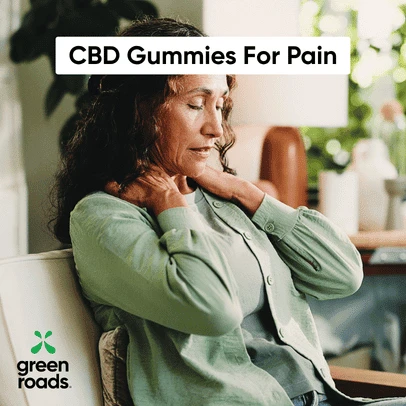
Many people search for CBD Gummies for pain relief when trying to understand their options and decide which products are worth considering. This guide reviews current research, what to compare when shopping for CBD Gummies, and when to speak with a healthcare professional. The FDA has not approved CBD Gummies to treat pain or any other medical condition.
Quick Answer: What to Know About CBD Gummies for Pain
Research into CBD and pain is ongoing, and the available evidence does not establish that over-the-counter CBD Gummies treat pain. Before choosing a product, understand the limits of the research, review its ingredients and lab results and talk with a healthcare professional about possible risks.
|
Question |
Short answer |
|
Do CBD Gummies help with pain? |
Research is still developing. Findings from studies of cannabinoids do not establish that consumer CBD Gummies treat pain. |
|
Are CBD Gummies FDA-approved for pain? |
No. The FDA has not approved CBD Gummies to treat pain or any other medical condition. |
|
How long do CBD Gummies take to work? |
CBD Gummies must be digested before absorption. Timing can vary with the individual, serving size and food. |
|
Will CBD Gummies get me high? |
CBD itself is not intoxicating, but some products may contain THC, which can cause intoxicating effects. |
|
What should I compare? |
Check the amount of CBD per gummy, the spectrum type, total THC, ingredients and a third-party lab report that matches the product batch. |
Do CBD Gummies Help With Pain? What the Research Shows
If you're wondering, "Do CBD Gummies help with pain?" the most accurate answer is that there isn't enough evidence to establish that consumer CBD Gummies treat pain.
Researchers have studied CBD and other Cannabis-derived compounds in different settings, including laboratory research, animal studies and clinical trials involving people. However, findings from one type of study cannot automatically be applied to an over-the-counter gummy.
A 2024 systematic review published in Pain Management Nursing examined 15 studies involving CBD alone or CBD combined with THC. The researchers reported mixed findings and noted important limitations, including differences in study design and how outcomes were measured. The review called for more robust research before firm conclusions can be drawn. Read the systematic review on PubMed.
The broader picture matters, too. The National Center for Complementary and Integrative Health (NCCIH) explains that some research has found modest benefits from certain Cannabis-derived products for chronic pain. Much of that research involves cannabinoid preparations that differ from ordinary retail CBD Gummies, including products containing both CBD and THC. The findings therefore cannot establish that CBD Gummies produce the same results. Review the NCCIH evidence summary.
Studying purified CBD under controlled conditions also differs from evaluating a finished gummy with its own ingredients, serving size and manufacturing process. Results from one formulation may not apply to another.
For consumers, the takeaway is straightforward: research into CBD and pain continues, but current evidence does not establish that CBD Gummies are an effective pain treatment. The FDA has not approved them for this purpose. Anyone experiencing ongoing discomfort should speak with a healthcare professional about possible causes and appropriate care.
How CBD Gummies Work in the Body
CBD, short for cannabidiol, is a compound found in the Cannabis plant. Gummies are an edible format, meaning you swallow the product, and it must be digested in order for the CBD to be absorbed into the body.
That process differs from other delivery formats. Absorption and effect timing can vary based on factors such as serving size, what you've eaten, and individual differences. No single timing estimate applies to every person or product.
Researchers are also studying the Endocannabinoid System, a network involved in several physiological processes. Although this system is relevant to cannabinoid research, its existence does not establish that a particular CBD gummy will relieve pain or produce a specific outcome.
If you're exploring CBD for the first time, it's worth learning about the differences between products and their potential effects. Our guide to what CBD feels like provides additional context.
One important point: don't take extra gummies simply because you haven't noticed an effect. Follow the product label and ask a healthcare professional about appropriate use, particularly if you take medication.
How to Choose CBD Gummies: What to Compare
Shopping for CBD Gummies involves more than choosing a flavor or selecting the highest number on the label. Product strength, cannabinoid content, ingredients and testing information all deserve a closer look.
Here's what to compare when deciding which CBD Gummies to buy.
|
Factor |
What to look for |
Why it matters |
|
Third-party lab report |
A certificate of analysis (COA) that matches the product and batch |
Helps you check reported cannabinoid content and review available testing results. |
|
CBD per gummy |
A clearly stated amount in milligrams |
Makes it easier to compare CBD amounts in individual servings. |
|
Spectrum type |
Clearly identified broad-spectrum, full-spectrum or CBD isolate formulation |
These terms describe different cannabinoid formulations and are not interchangeable. |
|
Total THC |
The reported THC content and the amount per serving and container |
Relevant for anyone concerned about intoxicating effects, drug testing or applicable legal requirements. |
|
Hemp sourcing |
Clear information about Hemp origin and sourcing practices |
Provides context about the raw material used in the product. |
|
Additional ingredients |
A complete ingredient list, including CBG, melatonin or botanicals if present |
Helps you identify other ingredients that may affect suitability or interact with medications. |
|
Brand transparency |
Accessible testing information, clear labels and customer support |
Makes it easier to verify a product's contents before purchasing. |
Compare CBD Amounts, Not Just Marketing Terms
Terms such as "strong" or "maximum strength" can be vague without a clear number attached. When you search for "strong CBD Gummies for pain," focus on the measurable amount of CBD per gummy rather than assuming a higher number means a better fit or a better result.
Check whether the label gives the amount per gummy or for the entire package. Those figures are not the same. For example, a package's total CBD amount may be spread across multiple gummies, so the per-gummy amount is the more useful figure for a direct serving comparison.
A higher CBD amount also isn't a guarantee of a particular effect or an indication that a product is appropriate for you.
What About Organic CBD Gummies for Pain?
Hemp sourcing can be another point of comparison. If a product is described as organic, look for clear information about the certification or standard supporting that description. A claim of organic sourcing does not mean a CBD product treats pain or works better than another product.
The same principle applies to added ingredients. Read the full ingredient list rather than relying on a product name or a general wellness description.
Broad-Spectrum vs. Full-Spectrum Gummies
The spectrum label describes the type of cannabinoid formulation used in a CBD product. It does not establish a product's effectiveness for any medical condition.
|
Feature |
Broad-spectrum CBD |
Full-spectrum CBD |
|
Cannabinoid composition |
Typically contains CBD and may contain other Hemp-derived compounds, with THC removed or reduced according to the formulation |
Typically contains CBD and other naturally occurring Hemp compounds, including some THC |
|
THC considerations |
Verify the actual THC content through the product label and lab report |
THC may be present, so review the lab report carefully |
|
Drug-testing considerations |
THC-free labeling or a broad-spectrum description does not guarantee a negative drug test |
THC exposure may increase the risk of a positive drug test |
|
What to verify |
The stated spectrum, batch-matched COA and reported THC content |
The stated spectrum, batch-matched COA and reported THC content |
Product labels and spectrum terms should not replace a review of the actual lab results. Testing methods, formulations and reporting practices can differ.
Check the Legal Status Before Buying
Federal and state rules governing Hemp-derived products can change. The federal Hemp-law change scheduled for November 12, 2026, is particularly relevant to products containing THC. Confirm the final scope, implementation and impact on specific products with qualified legal counsel before publication or purchase.
CBD Gummies vs. THC Gummies
CBD and THC are different cannabinoids, and products containing them should not be treated as interchangeable.
CBD is generally considered non-intoxicating. THC, including Delta-9 THC, can cause intoxicating effects. Products containing THC may also be subject to different legal requirements depending on their formulation, concentration and location.
Some CBD products contain small amounts of THC, even when CBD is the primary cannabinoid. If THC exposure is a concern, check the batch-specific lab report rather than relying only on the product name.
People who undergo workplace or other drug testing should understand that cannabinoid products can carry a risk of a positive result. A label, a broad-spectrum description or a claim that THC is below a stated threshold cannot guarantee a negative test.
For a more detailed explanation, read our guide to CBD vs. THC.
CBD Gummies vs. CBD Topicals
Gummies and topicals are different ways to use CBD. The main difference is how each format is used and how its serving information is presented.
|
Comparison point |
CBD Gummies |
|
|
Application |
Eaten and digested |
Applied to the skin |
|
Product information |
Usually lists CBD per gummy and total CBD per package |
May list CBD per container or serving, depending on the product |
|
Timing |
Involves digestion and absorption, with timing that varies |
Depends on the formulation and application; products should not be assumed to act in the same way |
|
Amount control |
Individual gummies provide a defined amount when accurately labeled |
The amount applied can vary with the quantity used |
|
Ingredients |
May include sweeteners, flavorings and other edible ingredients |
May include moisturizers, oils, fragrances and other topical ingredients |
Neither format should be assumed to treat pain. Ask what the product contains, how it is intended to be used, and whether its ingredients are suitable for you.
Side Effects, Interactions and When to See a Doctor
CBD is not risk-free simply because it is derived from Hemp. The FDA has identified potential concerns involving liver injury, changes in alertness and interactions with other medications. Reported side effects can include drowsiness, digestive upset and changes in appetite. Read the FDA's guidance on CBD safety.
CBD may affect how some medications work or how the body processes them. This is especially important if you take prescription medicines, over-the-counter medications or products such as blood thinners. Combining CBD with substances that cause drowsiness may also raise safety concerns.
Before using CBD, talk with a healthcare professional if you:
- Take prescription or over-the-counter medication.
- Have a medical condition or concerns about liver health.
- Are pregnant, trying to become pregnant or nursing.
- Are considering giving a CBD product to someone under 21.
This list is not exhaustive. A healthcare professional can help you evaluate the risks based on your circumstances and the specific product.
When Should You Seek Medical Advice About Pain?
Persistent, severe or unexplained pain deserves medical evaluation. A healthcare professional can help identify the cause, discuss available treatment options and determine whether further testing is appropriate.
CBD Gummies are not a substitute for medical care. Don't use them as a reason to delay an evaluation, stop prescribed medication or change a treatment plan without medical guidance.
If you're researching CBD Gummies for pain management, start with a conversation about the pain itself rather than choosing a product based on strength, popularity or marketing language.
You can also read our guide on whether CBD Gummies are good for you for more information on potential risks and product considerations.
Why Lab Sheets Matter
A certificate of analysis, often called a COA or lab sheet, reports results from testing a product sample. Reviewing the report helps you compare a product's stated cannabinoid content with the lab's findings.
A useful lab sheet should be traceable to the product and batch you're considering. A report for a different product or an older batch may not tell you what is in the item you're buying.
When reviewing a COA, look for:
- Product and batch identification: Make sure the report matches the product and batch number on the package.
- CBD content: Compare the reported amount with the product label and check the units used.
- THC content: Review the reported THC results, especially if THC exposure is a concern.
- Other reported cannabinoids: Check which additional cannabinoids were tested and whether the report identifies them.
- Contaminant testing: Review any available results for contaminants such as pesticides, heavy metals, residual solvents or microbial contaminants.
- Laboratory information: Look for the lab's identity, test date and information about its testing capabilities.
Third-party testing can provide useful information, but it does not guarantee safety, effectiveness or regulatory compliance. Testing also only tells you what was assessed in the sample under the methods used.
Green Roads shoppers can visit the Lab Sheets page to review available testing information.
Green Roads CBD Gummies at a Glance
If you're comparing CBD Gummies, Green Roads offers a place to start your product research. Review each gummy's details individually, and use the product label and available lab report to verify what it contains.
Easy Night Gummies
- CBD per gummy: 25mg
- Count per package: 60 ct
- Spectrum type: [?]
- Flavor: Mixed Berry Flavor
- Key ingredients: Hemp Derived Cannabinoid Extract, Organic Chamomile Extract, Organic Elderberry Extract, Melatonin, Organic Tapioca Syrup, Organic Cane Sugar, Pectin, Organic Mixed Berry Flavor, Citric Acid, Sodium Citrate, Organic Vegetable Juice for Color
Easy Day Gummies
- CBD per gummy: 25mg
- Count per package: 60 ct
- Spectrum type: [?]
- Flavor: Mixed Berry Flavor
- Key ingredients: Hemp Derived Cannabinoid Extract, Organic Elderberry Extract, Organic Chamomile Extract, Organic Passion Flower Extract, Organic Lemon Balm Extract, Organic Tapioca Syrup, Organic Cane Sugar, Pectin, Organic Lemon Juice Concentrate, Organic Mixed Berry Flavor, Sodium Citrate, Organic Vegetable Juice for Color
Mushroom Gummies
- CBD per gummy: 15mg
- Count per package: 30 ct
- Spectrum type: CBD Isolate
- Flavor: Blackberry Citrus
- Key ingredients: Hemp Derived Cannabinoid Extract, Lion’s Mane Extract, Cordyceps Extract, Reishi Mushroom Extract, Sugar, Glucose Syrup, Pectin, Natural Flavors, Citric Acid, Lactic Acid, Malic Acid, Sodium Citrate, Vegetable Juice for Color
Relax Berries
- CBD per gummy: 10, 25 or 50mg
- Count per package: 30 ct; 10 ct in 25mg
- Spectrum type: Isolate
- Flavor: Blue Raspberry, Lemon, Cherry, Green Apple and Orange
- Key ingredients: Hemp Derived Cannabinoid Extract, Sugar, Glucose Syrup, Pectin, Natural Flavors, Sodium Citrate, Citric Acid, Lactic Acid, Malic Acid, Titanium Dioxide, FD&C Blue 1, FD&C Yellow 5, FD&C Yellow 6, FD&C Red 3, FD&C Red 40
Sleepy Zs
- CBD per gummy: 25mg
- Count per package: 10 and 30 ct
- Spectrum type: Broad
- Flavor: Mixed Berry Flavor
- Key ingredients: Hemp Derived CBD Extract, Melatonin, Hemp Derived CBN Extract Other Ingredients: Sugar, Tapioca Syrup, Pectin, Natural Flavors, Citric Acid, Sodium Citrate, Fruit Juice for Color
Stress Aways
- CBD per gummy: 25mg
- Count per package: 10 and 30 ct
- Spectrum type: [?]
- Flavor: Cherry
- Key ingredients: KSM-66® Ashwagandha Extract, L-Theanine, Hemp Derived Cannabidiol Extract Other Ingredients: Sugar, Glucose Syrup, Pectin, Citric Acid, Natural Flavors, Sodium Citrate, Vegetable Juice for Color
Explore the entire Green Roads CBD Gummies collection to compare available products and their stated attributes.
FDA disclaimer: The Food and Drug Administration has not evaluated these products to diagnose, treat, cure or prevent any disease. The FDA has not approved CBD Gummies to treat pain or any other medical condition.
Frequently Asked Questions About CBD Gummies for Pain
Do CBD Gummies help with pain?
Research into CBD and pain is ongoing, but the evidence does not establish that consumer CBD Gummies treat pain. Studies may use different cannabinoid formulations, doses and delivery methods, so their findings don't automatically apply to retail gummies. The FDA has not approved CBD Gummies to treat pain. Talk with a healthcare professional about ongoing or unexplained pain.
How long do CBD Gummies take to work?
CBD Gummies are swallowed and digested in order to be absorbed. Timing can vary depending on the individual, serving size and even when you ate last. No single onset time applies to every gummy or every person. Follow the product label and avoid taking additional servings simply because you haven't noticed an effect.
Do CBD Gummies have side effects?
They can. Potential side effects include drowsiness, digestive upset and appetite changes. The FDA has also identified concerns involving liver injury and interactions with medications. Speak with a healthcare professional before using CBD if you take medication or have health concerns.
Are CBD Gummies a replacement for pain medication?
No. CBD Gummies should not replace prescribed medication or professional medical care. Do not stop or change a medication without speaking with your prescribing clinician. Ask a healthcare professional or pharmacist about possible interactions before combining CBD with prescription or over-the-counter medicines.
Are CBD Gummies good for joint pain?
No CBD gummy has been approved by the FDA to treat joint pain or arthritis. If joint discomfort persists, worsens or affects your daily activities, consult a healthcare professional to discuss possible causes and appropriate treatment options.
What should I do if my pain is severe?
Seek medical evaluation for severe, persistent or unexplained pain. If pain is sudden or accompanied by other concerning symptoms, seek urgent medical care as appropriate. Do not rely on CBD Gummies to delay an evaluation or replace recommended treatment.
What's the difference between CBD Gummies and CBD Topicals?
CBD Gummies are eaten and digested, while CBD topicals are applied to the skin. They differ in application, ingredient composition and how the amount used is measured. Neither format should be assumed to treat pain.
Will CBD Gummies make me high?
CBD itself is generally considered non-intoxicating, but some CBD products contain THC, which can cause intoxicating effects. Full-spectrum products may contain THC. Check the lab report for the specific batch if THC exposure is a concern, and remember that no product label can guarantee a negative drug test.
What should I look for when buying CBD Gummies?
Compare the CBD amount per gummy, spectrum type, reported THC content, full ingredient list and a batch-matched third-party lab report. Look for clear labeling and accessible testing information. These details help you understand what a product contains, but they do not establish that it will treat a medical condition.
Are CBD Gummies for chronic pain different from other CBD Gummies?
The phrase "CBD Gummies for chronic pain" is commonly used in searches, but it does not identify an FDA-approved treatment category. Retail gummies vary in formulation and CBD content, and current evidence does not establish that consumer CBD Gummies treat chronic pain. A healthcare professional can help you evaluate care options.
Are there CBD Gummies for sleep, pain and anxiety?
Some products are marketed around multiple wellness goals, but a product's name or ingredient list does not establish that it treats sleep problems, pain or anxiety. Additional ingredients such as melatonin or botanicals may have their own risks and interactions. Review the full label and discuss relevant concerns with a healthcare professional.
Sources and Further Reading
- U.S. Food and Drug Administration: What the FDA Is Doing to Protect Consumers from Cannabidiol (CBD) in Foods
- National Center for Complementary and Integrative Health: Cannabis and Cannabinoids
- Effectiveness of Cannabidiol to Manage Chronic Pain: A Systematic Review, Pain Management Nursing (2024)
- Cannabidiol (CBD): A Systematic Review of Clinical and Preclinical Evidence in the Treatment of Pain, Pharmaceuticals (2024)
This content is for informational purposes only and is not medical advice. The FDA has not approved CBD products to treat pain or other medical conditions. Talk with a qualified healthcare professional about symptoms, medications and treatment decisions.